
Study Sample
The Intuition and Deduction Thesis
EPISTEMOLOGY
Chapter 3
The Thesis:
Descartes’ project (to defeat philosophical scepticism)
How Descartes destroys all his beliefs (Three Waves of Doubt)
The Intuitions (cogito ergo sum and the idea of God)
The Deductions (arguments for God and the external world)
Use the following as a topic checklist
Descartes’ Project
Descartes used local (and subsequently global) scepticism as a tool, in order to arrive at purely infallible knowledge. He wanted to be able to fully trust in all his beliefs, and thus do away with that persistent, lingering philosophical scepticism for good.
As such, his Intuition and Deduction Thesis is proof that reason is the source of our knowledge, and so we can know everything a priori (independent of experience of it, by exercising rationality alone).
2. The Three Waves of Doubt
Descartes argues that if there is any possible room for doubt, we ought to treat the belief as false and discard it, even if it’s unlikely. This is because it’s vulnerable to scepticism, and we are trying to reach certain knowledge (escape it).
He doesn’t destroy his beliefs singularly (that would take too long). Instead, he attacks the foundations upon which all other propositions rest:
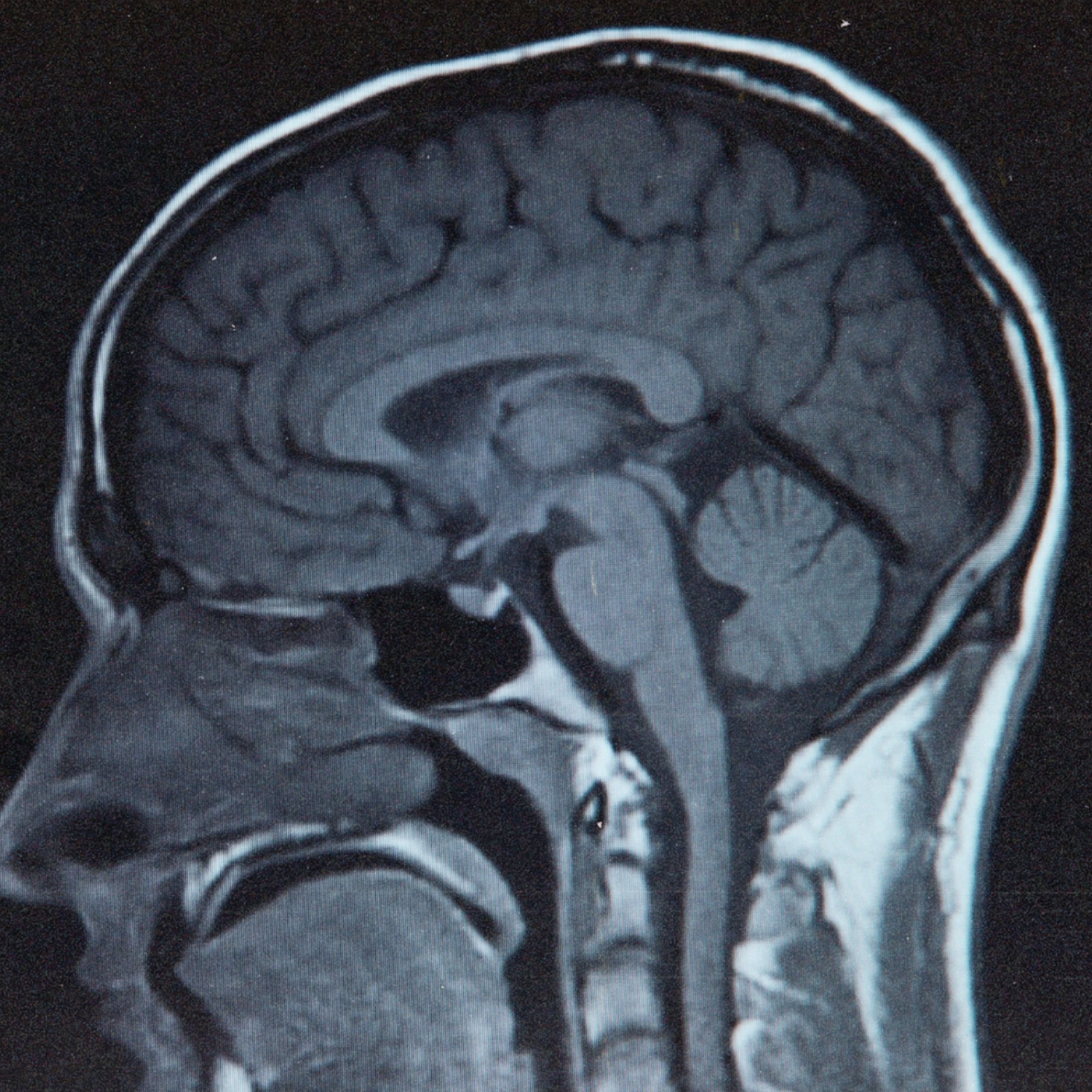
Doubt about the senses
Since the senses (what I can see, hear, smell, taste, touch) deceive us sometimes, with optical illusions and hallucinations, how can I trust that they’re not deceiving me right now? How can I trust they’re accurately reflecting reality outside of my body?
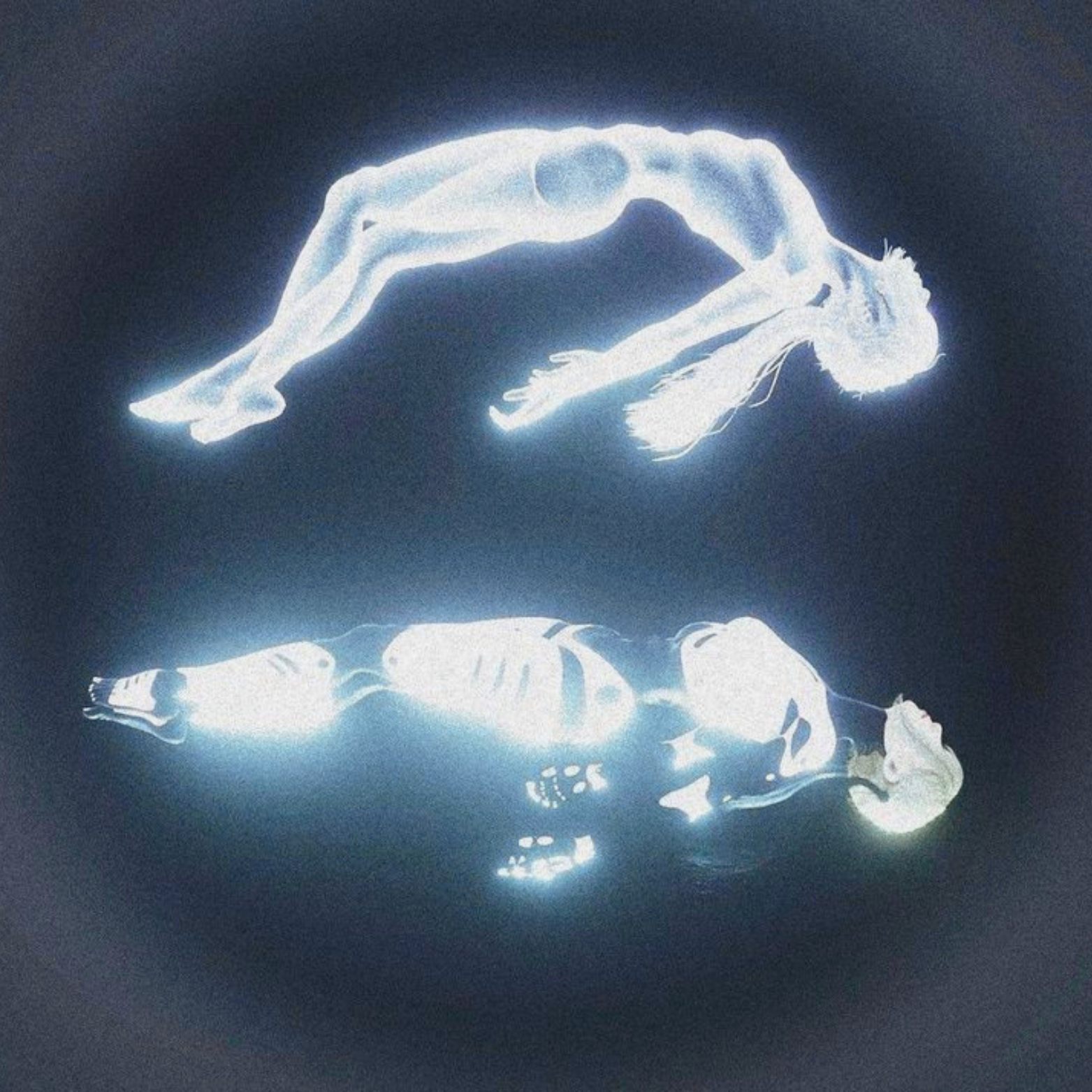
Doubt about reality
Since my dreams are indistinguishable from waking life (I’m not aware I’m dreaming when in fact I am), how can I trust that I’m not dreaming right now? How can I trust that what I assume is reality, isn’t simply a construct?
Doubt about logic
What about maths? It seems to be certain that 2+3=5. But is that entirely immune to doubt? How can I be certain there’s not an evil demon, ‘systematically deceiving us’ about the truth of logic, maths, and reasoning? Might 2+3=6?
Descartes’ now found himself inside a void, not being able to know anything. Each wave is an example of local scepticism, and when added together, they form a complete global scepticism - is knowledge even possible?
But, while introspecting, Descartes discovers two, glowing intuitions. These are the ideas of his own existence, and God.
They are clear (‘present and accessible to the attentive mind’) and distinct (‘so sharply separated from all other perceptions that they contain within themselves only what is clear’):
3. The Intuitions
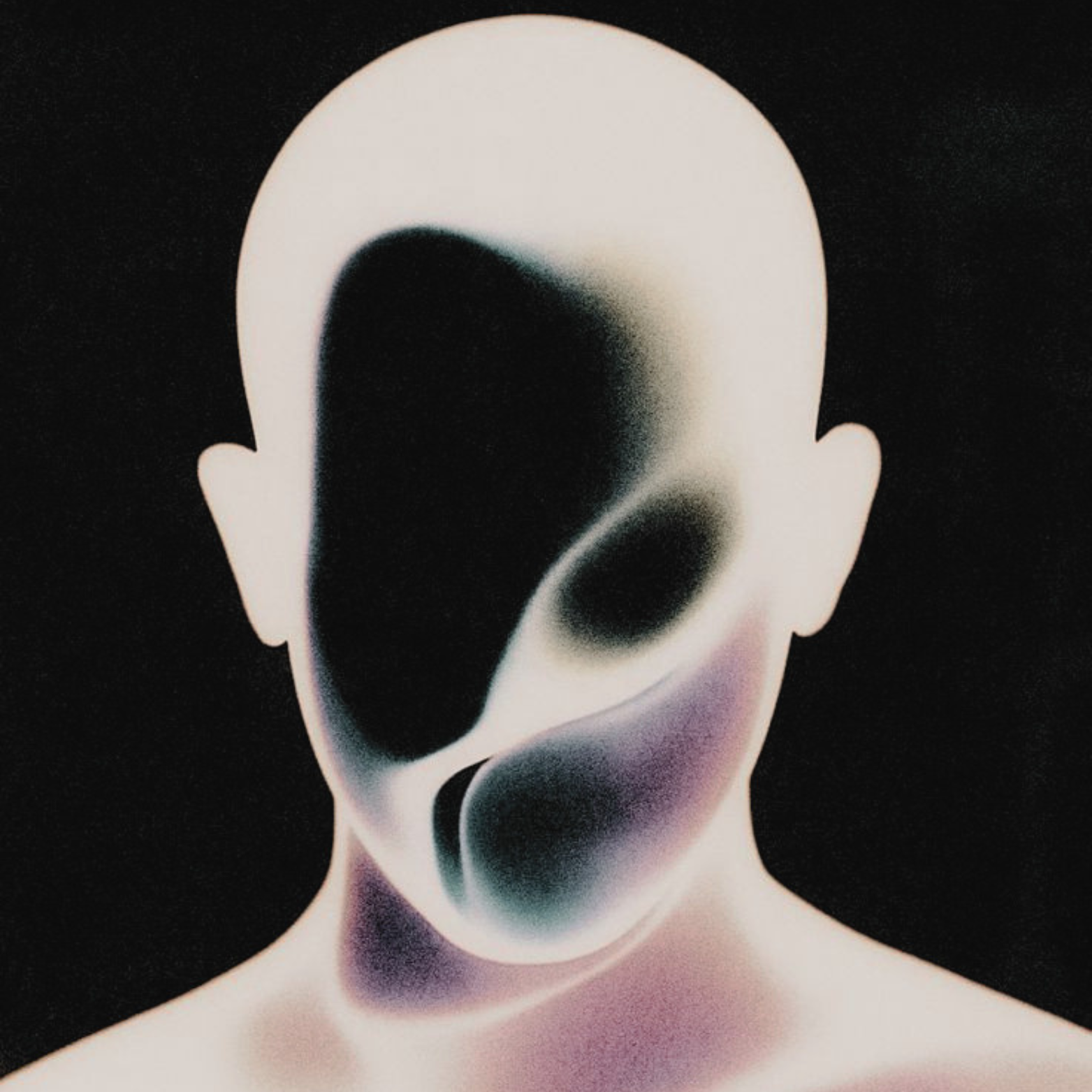
I know I exist
COGITO ERGO SUM - I think therefore I am.
Descartes’ knows he’s currently doubting his existence, therefore his existence must be something he can doubt - and so, he exists.
I know what God is
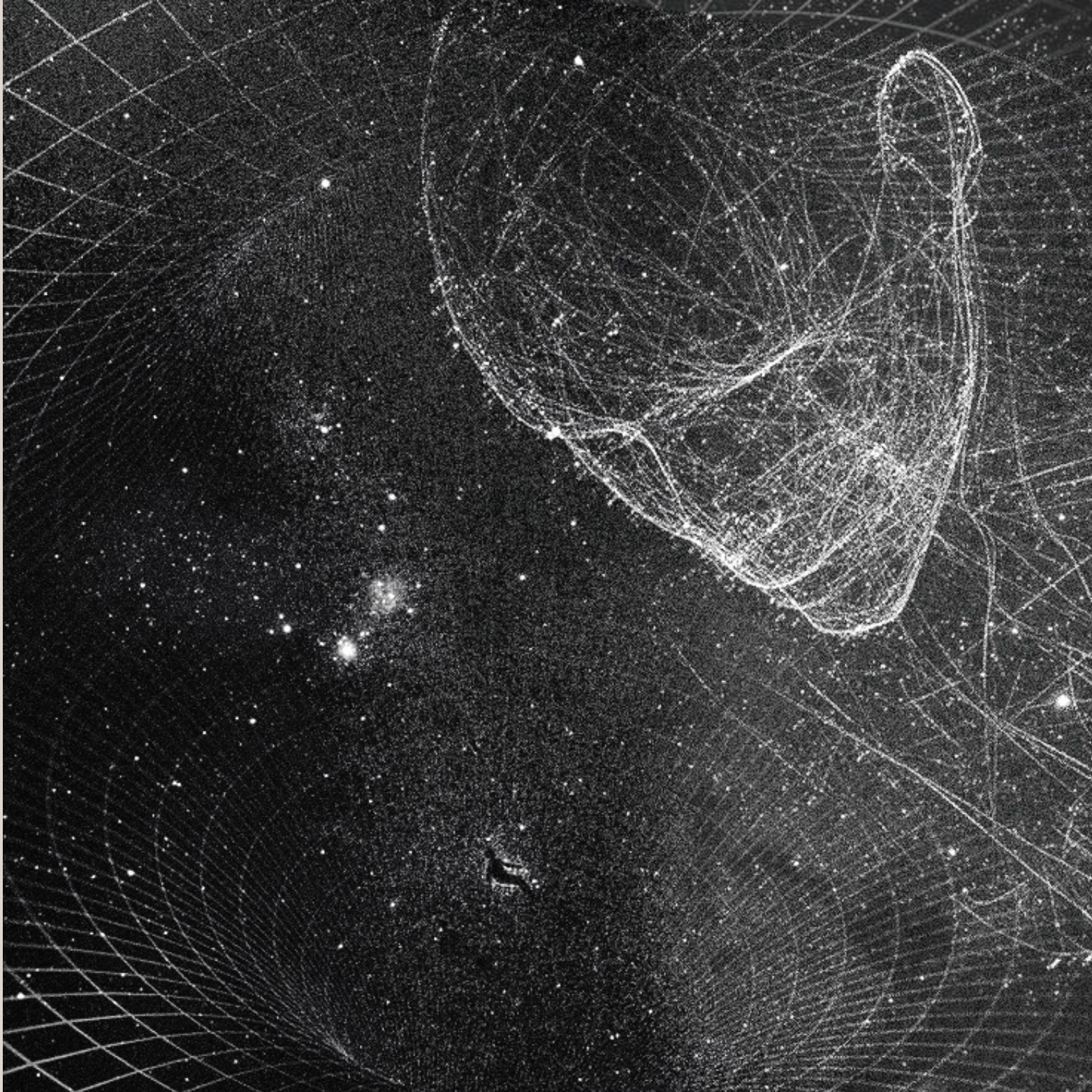
Reflecting on the idea of God, Descartes concludes that His perfection is something he sees clearly and distinctly.
NB - this is not that God exists, just that Descartes knows what He would be if He were to.
4. The Deductions
Now that Descartes, purely from his own mind, has uncovered the two intuitions, he will use them as the a priori premises to build deductive arguments (deductions) that conclude what he knew before, about knowledge from the senses and about reality/logic, are reliable.
If he can prove that God exists, then He can use this to disprove the evil demon and reality/sensory deception. God wouldn’t deceive us, or allow a demon to.
Ontological Argument
I clearly and distinctly perceive God to be a perfect being
A perfect being must have all perfections
Existence is a perfection
Conclusion: God exists
Trademark Argument
The cause of anything must be at least as perfect as its effect
I am an imperfect being
I have the idea of God which is that of a perfect being
So, I cannot be the cause of my idea of God
Only a perfect being can be the cause of my idea of God
Conclusion: God created my idea of Him (and exists)
Contingency Argument
The cause of my existence as a thinking thing could be a) myself, b) I have always existed, c) my parents, d) God
I cannot have caused myself because I would’ve made myself perfect (and I’m not)
I cannot have always existed because then I would be aware of it
My parents are the cause of my physical body, but not me as a thinking mind (i.e., my thoughts don’t come from my parents)
Conclusion (via elimination): God created me (and exists)
Proof of the external world
Sensations have their origin outside of Descartes:
The will is part of my essence
Sensation is not subject to my will
Therefore, sensations come from outside of me
Translation: since I can’t control my sense impressions, they must be coming at me from outside of my body
+
Sensations have their origin in matter
Two possible sources for the origin of sensation: God or matter
I have a strong natural belief that they come from matter and no faculty to correct this if I’m wrong (step outside of my body to check, for example)
So if this is wrong, and their origin is in God, then he would be a deceiver
God is not a deceiver
Therefore, sensation originates in matter
Conclusion: the external world exists
CONCLUSION
Descartes can use these four arguments to disprove his three initial waves of doubt, and build back his body of certain knowledge. We can trust logic, the nature of reality, and the senses, because God is perfect, and the real world as we perceive it exists. We have now defeated scepticism, and got back where we started - having also proven that reason is the source of our knowledge, not experience (rationalism).
WHERE NEXT?
There’s lots of issues with the Intuition and Deduction thesis, explored within the rest of this chapter and The Limits of Knowledge (chapter 4).
Starting
To start studying under Olympia Academics, or for general enquiries, please contact:
We’ll set up a free consultation meeting to talk about what you need.
Sessions are typically remote. In-person sessions are subject to location restrictions (Central London, zones 1-4)
‘If you would be a real seeker after truth, it is necessary that at least once in your life you doubt, as far as possible, all things.’
~ Descartes, Principia Philosophiae